Stress vs Trauma, which one is what you are experiencing? Stress and trauma are often used as if they mean the same thing. You might hear someone say, “That was so traumatic,” when describing a busy week or a tough deadline. But while stress and trauma can both affect your emotional and physical health, they are not the same.
Understanding the difference is more than just semantics—it directly impacts your mental health and well being. When you know whether you’re experiencing stress or trauma, you can choose the right kind of support, coping tools, or professional help.
Let’s break it down in a simple way.
What Is Stress?
Stress is a natural reaction to demands, pressure, or challenges. It’s your body’s built-in alarm system. When something feels urgent or overwhelming, your nervous system activates to help you respond.
Stress can be:
- Acute (short-term, like preparing for a presentation)
- Chronic (long-term, like ongoing financial strain)
Common sources of stress include:
- Work pressure or deadlines
- Financial difficulties
- Family or relationship conflicts
- Moving to a new city
- Academic expectations
- Health concerns
When stress hits, your body responds automatically. You may notice:
- Irritability or mood swings
- Trouble sleeping
- Muscle tension (especially in the neck and shoulders)
- Difficulty concentrating
- Increased heart rate
- Fatigue
In moderate amounts, stress can actually be helpful. It can motivate you to meet deadlines, prepare for exams, or solve problems. The problem arises when stress becomes constant. Chronic stress keeps your nervous system activated for too long, which can impact on your immune system, digestion, sleep, and emotional regulation.
Over time, unmanaged stress can contribute to anxiety, depression, burnout, and physical health issues. That’s why protecting your mental health and well-being requires learning how to manage stress effectively.
What Is Trauma?
Trauma is different.
While stress comes from challenges, trauma comes from experiences that overwhelm your ability to cope. Trauma isn’t just about something being difficult, it’s about something feeling deeply unsafe, frightening, or life-altering.
Common causes of trauma include:
- Physical, emotional, or sexual abuse
- Neglect
- Serious accidents
- Natural disasters
- Witnessing or experiencing violence
- Sudden loss of a loved one
- Medical emergencies
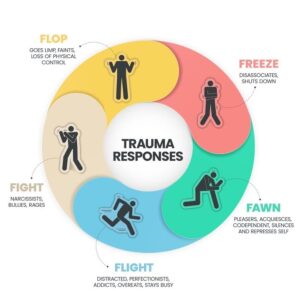
Trauma affects the nervous system in a profound way. When an event overwhelms you, your brain shifts into survival mode; fight, flight, freeze, flop or fawn. For some people, that response doesn’t fully switch off after the danger passes.
Symptoms of trauma may include:
- Flashbacks or intrusive memories
- Nightmares
- Emotional numbness or detachment
- Hypervigilance (always feeling on edge)
- Being easily startled
- Avoidance of reminders or triggers
- Anxiety or depression
- Symptoms of PTSD
Unlike stress, trauma can leave you feeling stuck in a survival response long after the event is over. You may know you’re safe, but your body doesn’t feel safe.
This is where trauma counselling can make a significant difference. Trauma-informed therapy focuses on helping the nervous system regulate and process overwhelming experiences safely.
Stress vs Trauma: 5 Key Differences
Here’s a clear comparison:
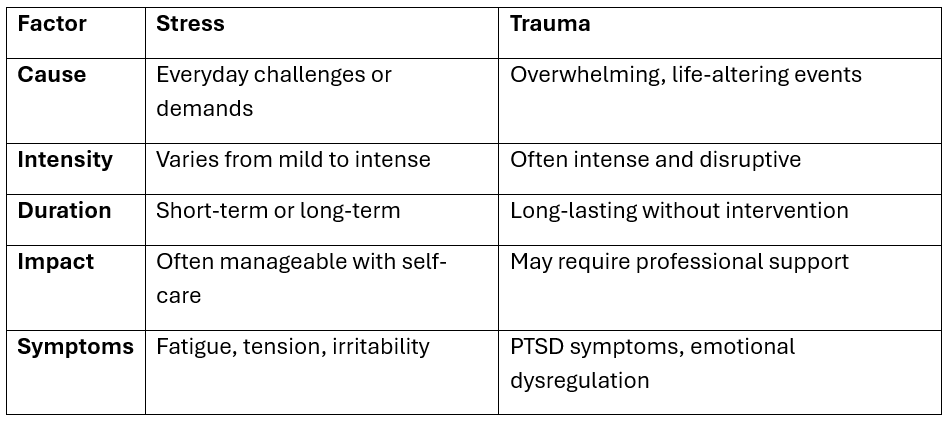
The key difference lies in overwhelm. Stress challenges your coping system. Trauma overwhelms it.
Why Understanding the Difference Matters
Recognizing whether you’re experiencing stress or trauma helps you choose the right path forward.
If you’re dealing with stress, strategies like:
- Exercise
- Mindfulness
- Improved sleep routines
- Setting boundaries
- Time management
may be enough to restore balance.
But if trauma is present, self-care alone may not resolve the deeper nervous system response. Trauma often requires therapeutic support to safely process and integrate the experience.
Without proper support, trauma can impact:
- Relationships
- Self-esteem
- Emotional regulation
- Physical health
- Sense of safety
Understanding this difference protects your mental health and well-being by preventing you from minimizing something that may need professional care.
How Therapy Can Help
Whether you’re managing chronic stress or healing from trauma, therapy offers a safe, structured space to explore what’s happening beneath the surface.
In trauma counselling, therapists use approaches designed to support nervous system regulation and trauma processing, including:
- Trauma-informed therapy
- EMDR (Eye Movement Desensitization and Reprocessing)
- Somatic experiencing
- Cognitive Behavioral Therapy (CBT)
If you’re searching for counselling in Coquitlam, working with a licensed counsellor can help you:
- Identify whether you’re experiencing stress or trauma
- Learn healthy coping mechanisms
- Reduce anxiety and overwhelm
- Process unresolved experiences
- Build emotional resilience
- Strengthening boundaries
- Improve overall mental health and well being
Therapy is not about reliving painful memories repeatedly. It’s about creating safety, understanding patterns, and building tools that support long-term stability.
You Don’t Have to Figure It Out Alone
Sometimes it’s hard to tell the difference between stress and trauma on your own. You may feel exhausted, irritable, disconnected, or anxious and not know why.
That confusion itself can be overwhelming.
The good news? Support is available.
At Linanna Therapy, we specialize in both stress management and trauma counselling, offering in-person and virtual counselling in Coquitlam and across British Columbia. Our approach is compassionate, evidence-based, and tailored to your unique experiences.
Healing begins with understanding. And understanding begins with a conversation.
Take the First Step Toward Healing
If you’ve been feeling stuck, overwhelmed, or unsure whether you’re dealing with stress or trauma, you don’t have to navigate it alone.
Book your free 15-minute consultation today and take the first step toward protecting your mental health and well-being.
Sometimes the most powerful thing you can do is simply reach out.